Last-Minute Love: Creative Ways to Use Print-on-Demand for Valentine’s Day
January 28, 2026
How Print-on-Demand Posters Drive Marketing, Sales, and Brand Growth Year-Round
February 12, 2026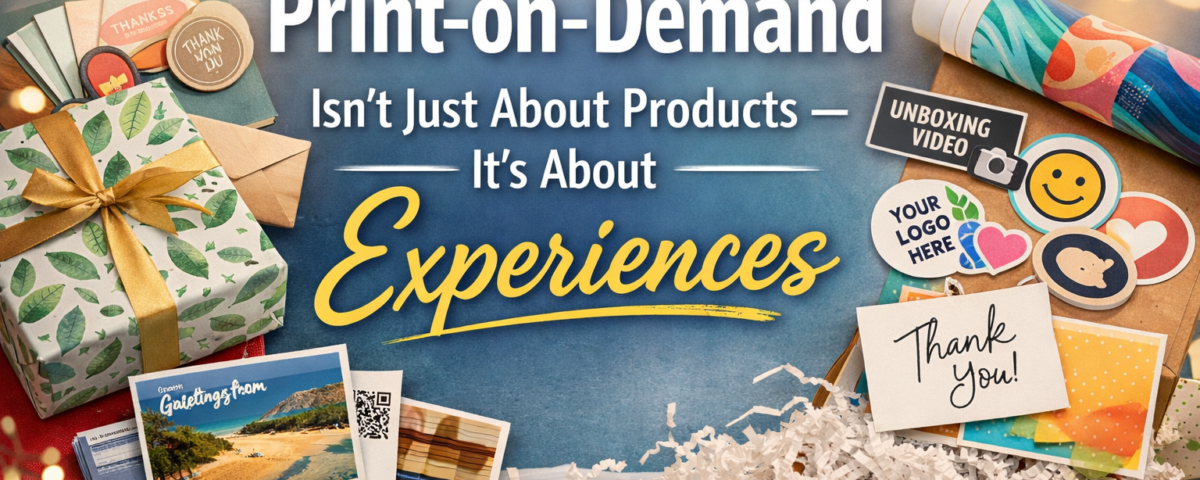
For years, print-on-demand has been built on a simple promise: upload a design, sell a product, and let someone else handle production and fulfillment. T-shirts, mugs, posters, and stickers became the foundation of an entire ecommerce ecosystem. But in 2026, that model is evolving fast. Customers no longer just buy things; they buy moments, emotions, and experiences. The brands and marketplaces that understand this shift are winning customer loyalty, higher order values, and repeat business.
In today’s ecommerce landscape, the product itself is only part of the story. What customers remember is how it felt to receive it. Was the packaging thoughtful? Did the presentation feel personal? Was the design cohesive from the moment the box was opened? This is where modern print-on-demand is moving, away from isolated products and toward full-brand experiences that begin before the item is ever touched.
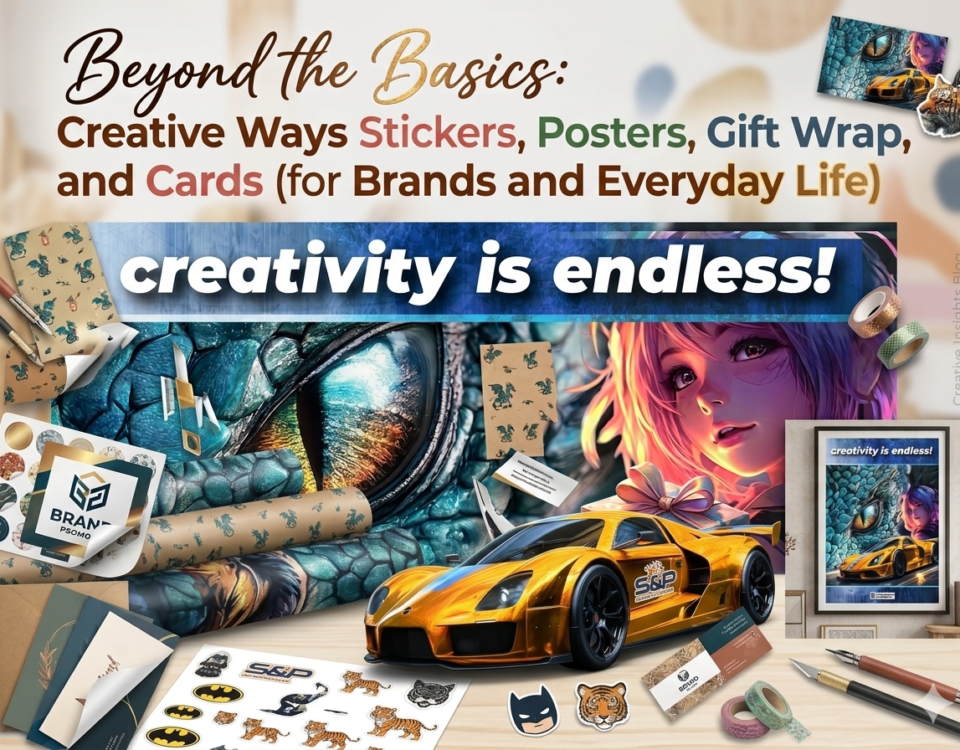
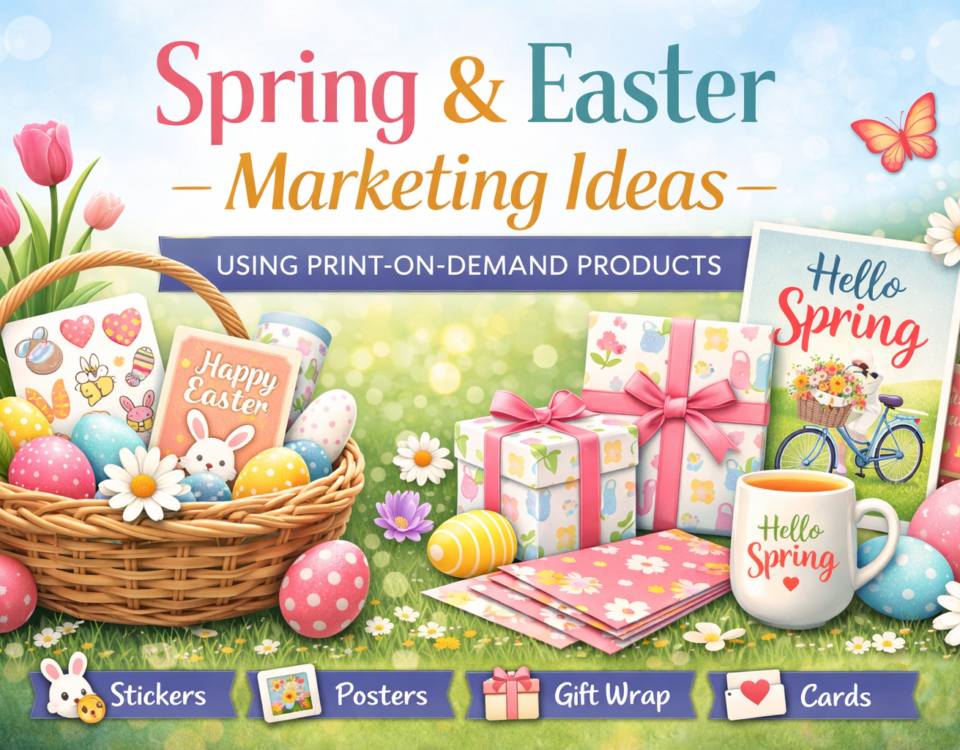
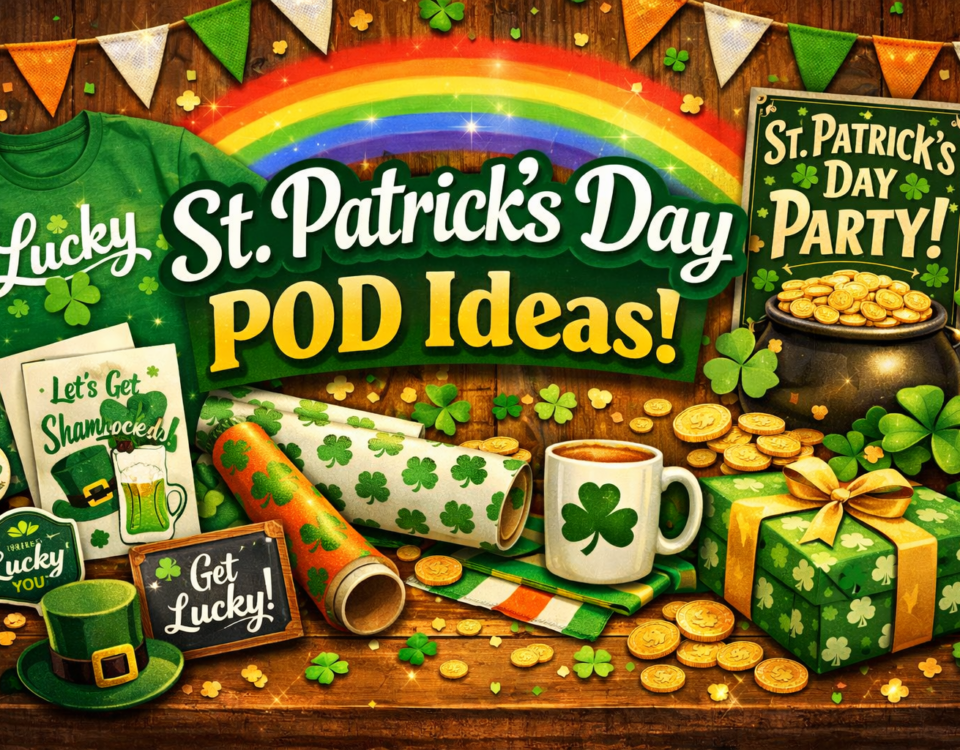
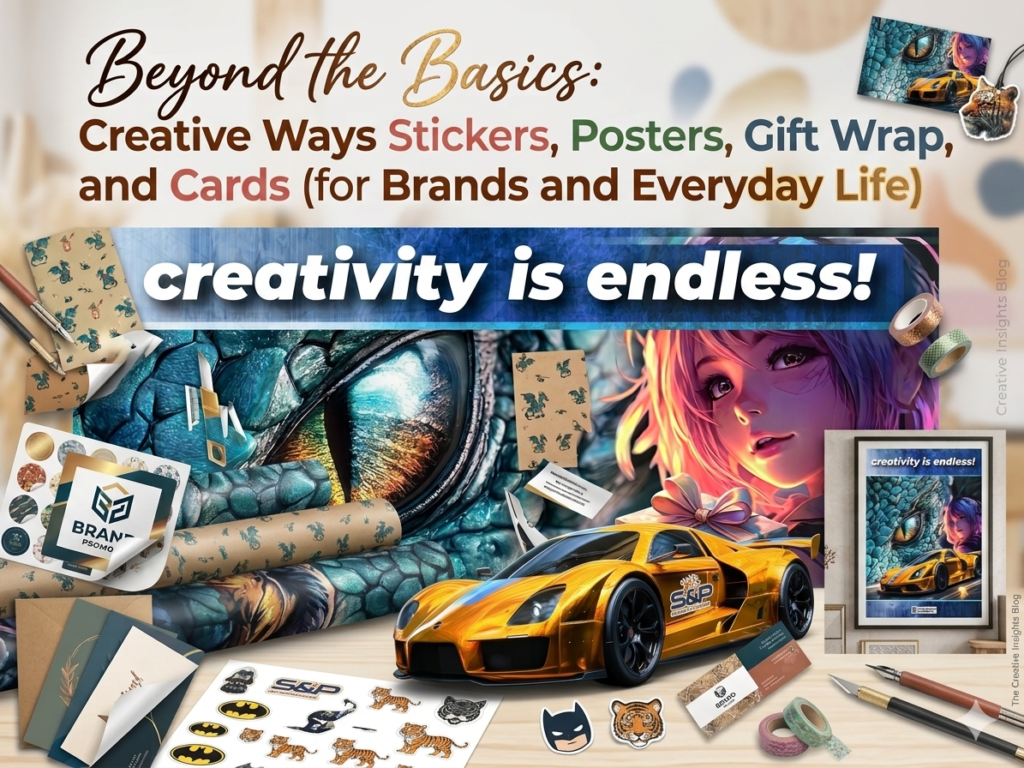
Custom gift wrap is one of the most visible expressions of this shift, but it’s far from the only one. Stickers, postcards, greeting cards, posters, and inserts now play a powerful role in shaping how customers perceive a brand. A simple sticker inside a package can turn a one-time buyer into a returning customer. A postcard with a thank-you message or a QR code can turn a shipped order into a marketing channel. A beautifully printed greeting card can transform a product into a meaningful gift. These aren’t accessories; they are touchpoints that define the customer experience.
Unboxing culture has made this even more important. Millions of people watch unboxings on TikTok, Instagram, and YouTube, where packaging and presentation often matter just as much as the product itself. For sellers on platforms like Printify, Zazzle, Redbubble, and Shopify, this means differentiation is no longer about who has the best mug or the coolest poster. It’s about who delivers the most memorable experience when that mug or poster arrives.
Print-on-demand now enables brands to design every part of the experience. A customer might receive a poster wrapped in custom gift wrap, sealed with a branded sticker, accompanied by a postcard that tells the story behind the artwork, and finished with a thank-you card that makes the purchase feel personal rather than transactional. None of these elements need to be produced in bulk or stored in warehouses. They can all be printed on demand, white-labeled, and fulfilled simultaneously with the main product, making sophisticated brand experiences accessible to businesses of every size.
For marketplaces and platforms, this evolution opens entirely new revenue streams and loyalty drivers. When sellers can offer branded packaging, custom inserts, seasonal greeting cards, or limited-edition wraps alongside their products, average order values increase and customer satisfaction rises. Even something as simple as a custom postcard or sticker pack can turn a basic shipment into a premium experience that customers are willing to pay more for.
Retailers are embracing this shift as well. Local boutiques, museum shops, and souvenir stores are moving beyond generic wrapping paper and mass-produced packaging. Instead, they’re using custom countertop gift wrap, branded cards, and store-specific designs to turn every purchase into a branded moment. A simple trinket feels more valuable when it’s wrapped in something that reflects the store’s identity and the place it came from.
The future of print-on-demand is not about producing more items; it’s about producing better moments. Stickers, posters, postcards, greeting cards, and custom gift wrap are no longer just printed goods; they are tools for storytelling, marketing, and customer connection. As ecommerce continues to grow more competitive, the brands that stand out will be the ones that understand that what ships in the box is just as important as what’s inside it.
Print-on-demand has become the engine behind these experiences, enabling businesses to design, test, and deliver immersive, branded journeys without the risk and cost of traditional manufacturing. In 2026, the winners won’t be the sellers with the most products; they’ll be the ones who create the most memorable experiences.