Spring Reset: How Custom Print-on-Demand Products Power Growth, Gifting & Fresh Starts
February 18, 2026
The Power of Print-On-Demand Greeting Cards & Postcards
March 4, 2026
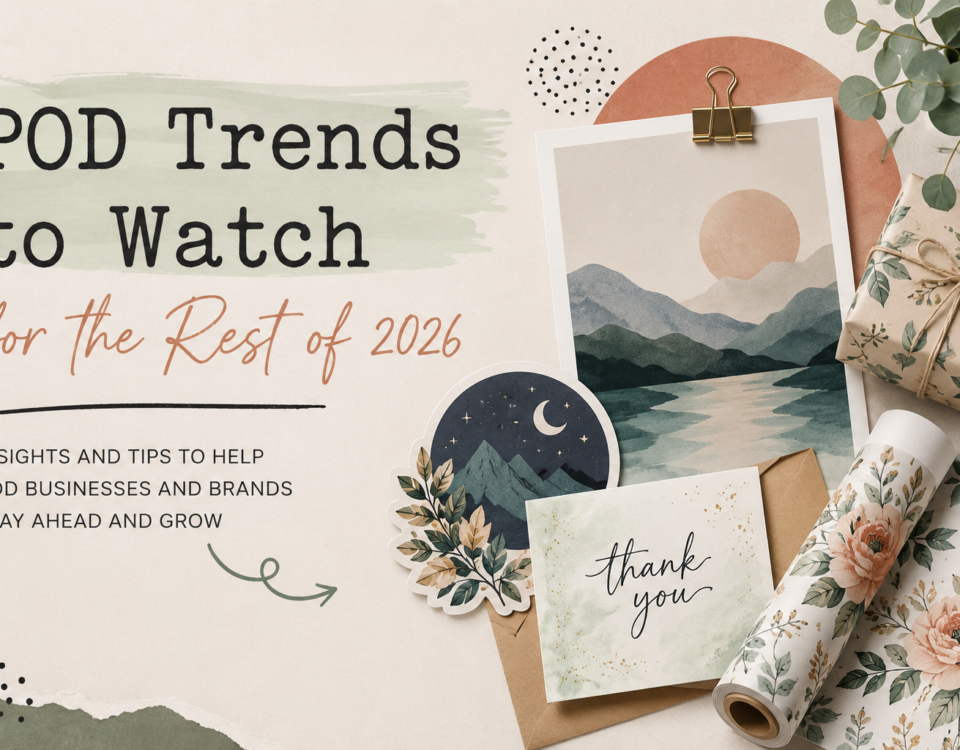
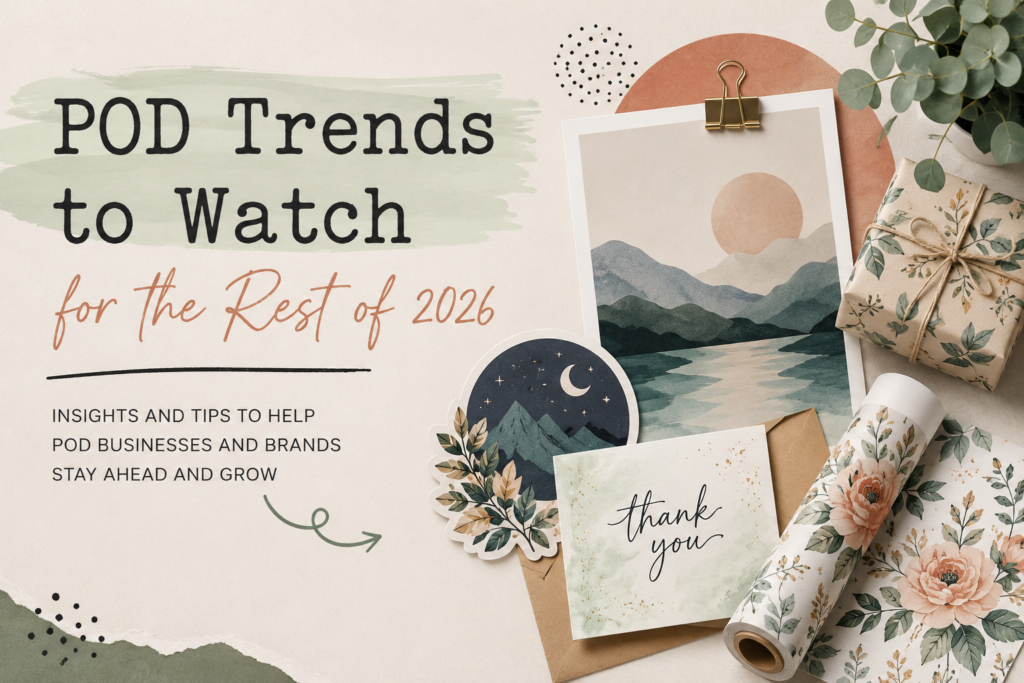
The print-on-demand (POD) industry has matured rapidly over the past decade, evolving from a niche e-commerce solution into a major driver of creative commerce. As consumer expectations, technology, and business models evolve, new trends are reshaping what POD looks like today and where it’s heading tomorrow.
Here are the key trends we expect to define the future of print-on-demand.
1. Personalization at Scale
Mass customization isn’t new, but it’s about to get smarter. Instead of offering a handful of fixed design options, brands are leveraging advanced customization tools that let customers:
• Place text, colors, and imagery dynamically
• Upload their own photos or artwork
• Preview products in real time before buying
AI-driven design suggestions will make custom products even more accessible to consumers without design skills, expanding the market for personalized goods.
2. AI-Augmented Design Tools
Artificial intelligence is entering the POD creative workflow in powerful ways. Tools powered by generative AI can:
• Auto-generate design variations based on a theme
• Suggest trending styles and keywords for niche markets
• Improve product descriptions and SEO copy automatically
For sellers, this means faster design iteration and more targeted catalog development, even without in-house designers.
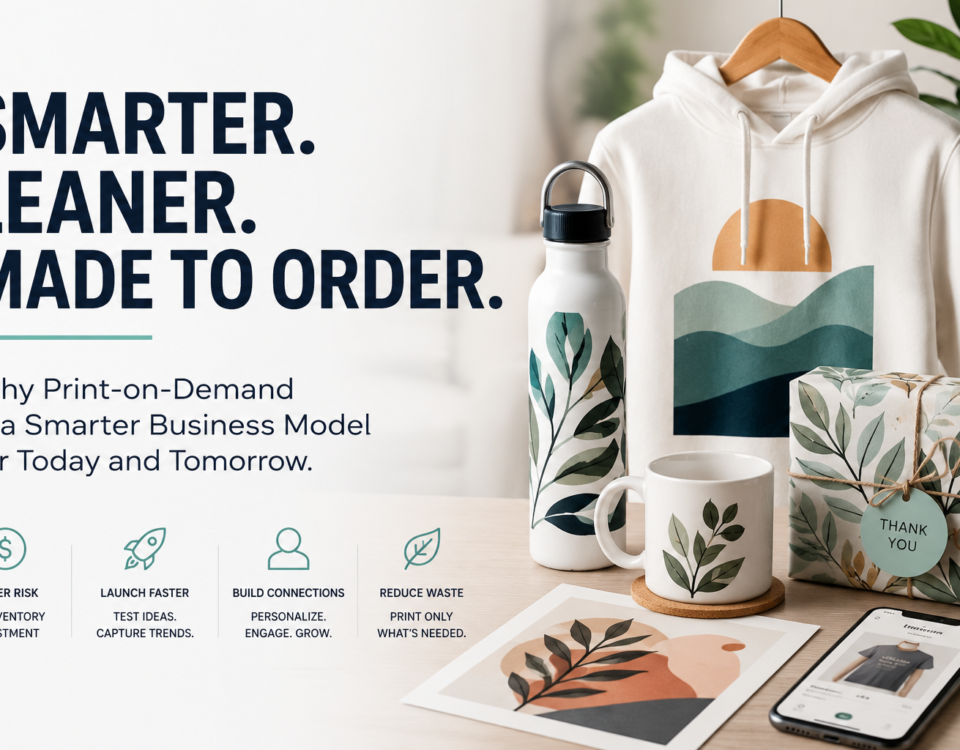
3. Sustainability as a Selling Point
Eco-conscious consumers are no longer a small niche; they are a dominant buying group. POD brands that embrace sustainability can differentiate themselves with:
• Organic and recycled materials
• Water-based inks and low-waste production
• Carbon-neutral shipping or offset programs
Sustainability isn’t just ethical; it’s a competitive advantage and a marketing asset in 2026 and beyond.
4. Faster Fulfillment, Fewer Boundaries
Shipping speed has become table stakes in e-commerce, and POD is catching up. New fulfillment technologies and expanded global print networks mean:
• Same-day or next-day printing for localized orders
• Lower international shipping costs
• Better visibility into production timelines
As integration between e-commerce platforms and global fulfillment centers improves, POD sellers can compete with traditional inventory-based businesses on speed and reliability.
5. Data-Driven Niche Targeting
Mass markets are fragmenting, and niche audiences are emerging as the sweet spot for POD success. With better analytics tools, sellers can:
• Identify underserved micro-communities
• Track design performance by segment
• Optimize products for specific demographics
This trend is why stores focused on hyper-specific themes, like hobbyist groups, regional pride, or lifestyle subcultures, are finding success in a crowded marketplace.
6. API-First Integrations and Automation
Manual order management is becoming obsolete. Top POD providers are prioritizing API-first workflows that enable:
• Automated product uploads
• Real-time inventory and price sync
• Order routing across multiple vendors
For high-volume sellers, automated systems reduce errors, save time, and enable scaling without expanding headcount.
7. Social Commerce and Embedded Shopping
Consumers increasingly buy where they browse. Platforms like TikTok, Instagram, and Pinterest are making shopping a seamless experience:
• Shoppable video and live streams
• Tagged product catalogs inside social apps
• Influencer-driven storefronts
POD brands that master social commerce by blending content creation with sales will capture attention and revenue more effectively than ever.
8. Enhanced Unboxing Experiences
With no physical storefront, every package is a brand touchpoint. Savvy POD sellers are investing in:
• Custom packaging and branded inserts
• QR codes linking to loyalty programs or digital content
• Surprise gifts or collectible elements
Personalized unboxing elevates perceived value and drives repeat purchases.
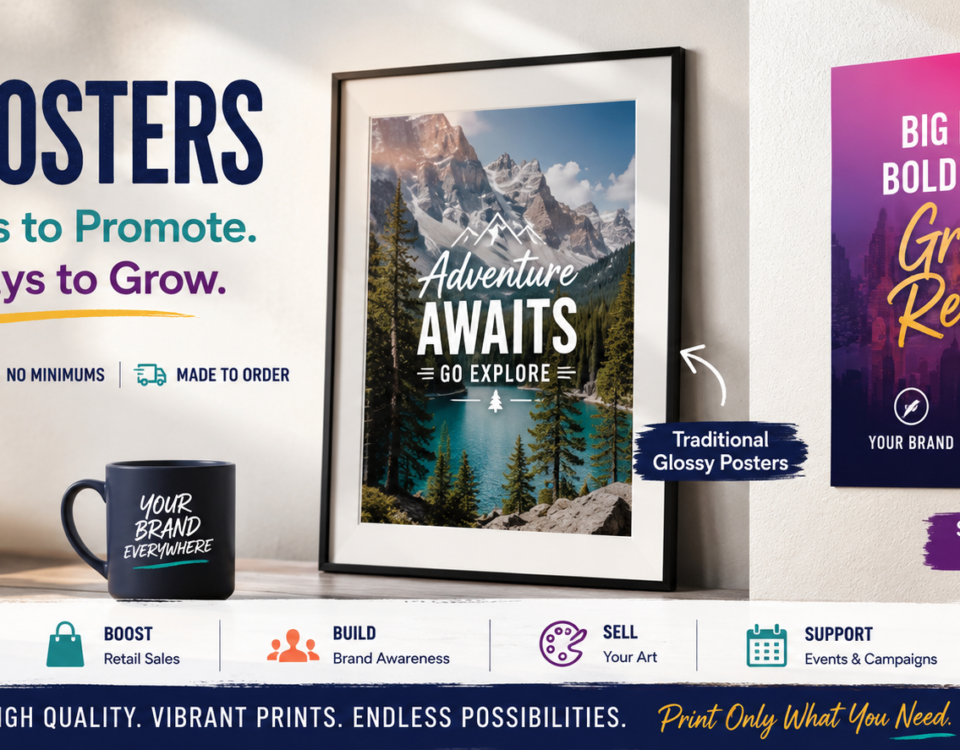
9. Expansion Beyond Apparel and Stickers
While T-shirts and mugs are POD staples, the product universe is expanding. Emerging categories include:
• Home décor (blankets, wall art, lampshades)
• Custom tech accessories
• Personalized stationery and business branding products
• Print-on-demand books and journals
Diversifying product lines allows sellers to reach new audiences and increase average order values.
Conclusion
The print-on-demand industry is no longer just a way to avoid inventory; it’s a platform for innovation, creativity, and scalable commerce.
Success in 2026 will come from blending technology, personalization, speed, sustainability, and data-driven decision-making. Whether you’re a new seller, an established POD brand, or a print partner scaling capacity, these trends offer a roadmap for where the industry is heading and how to get ahead of the curve.